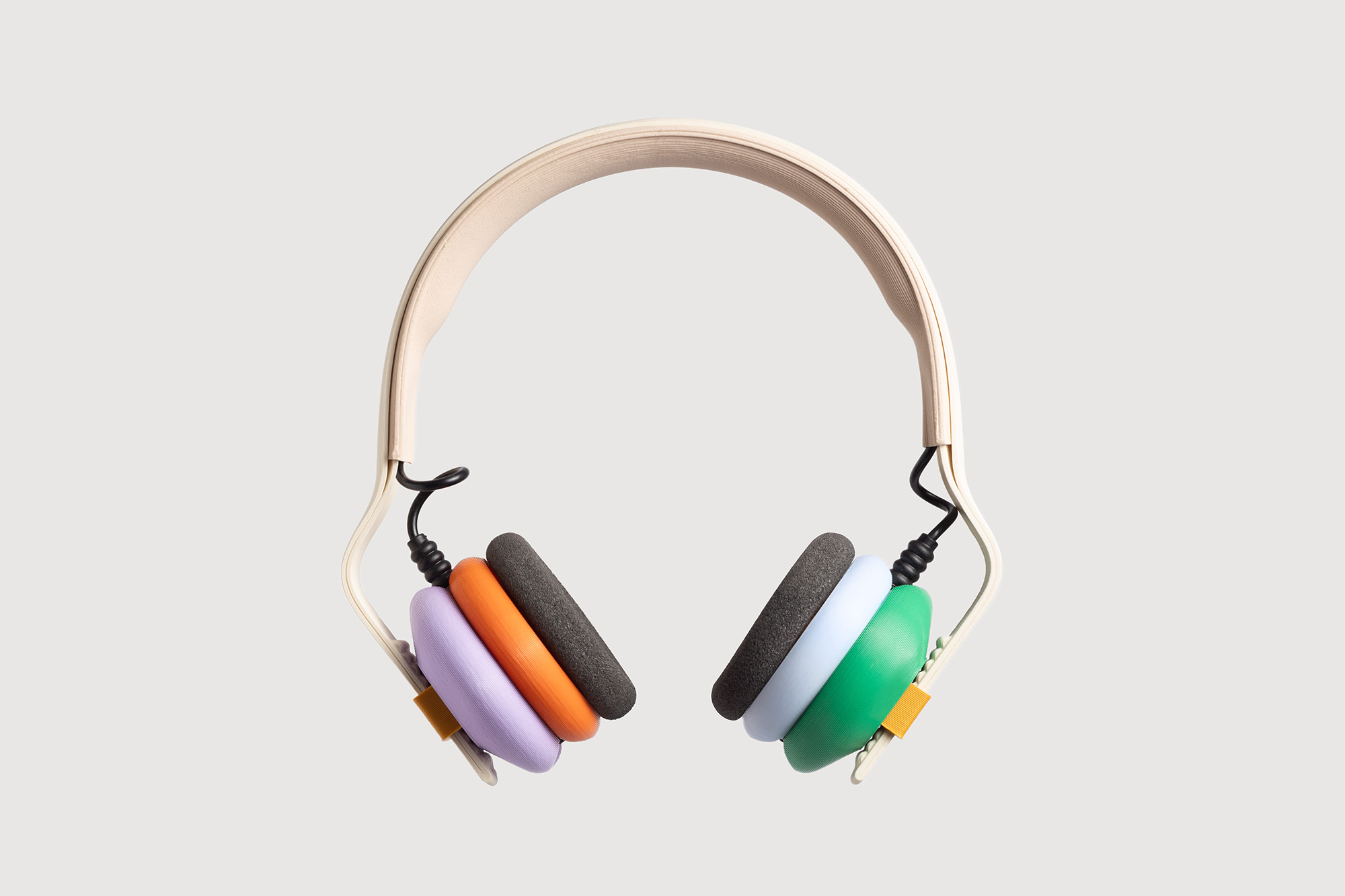
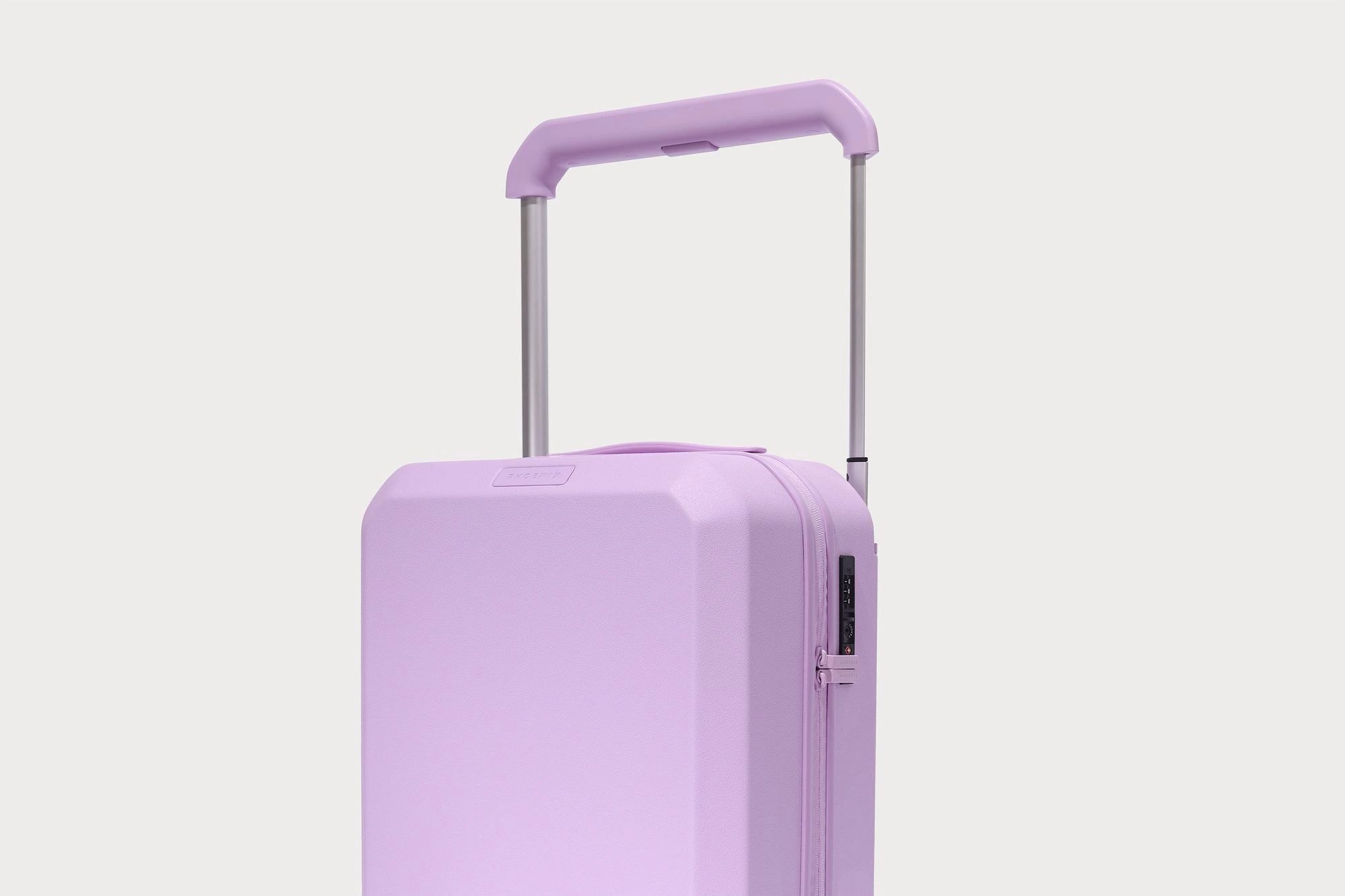
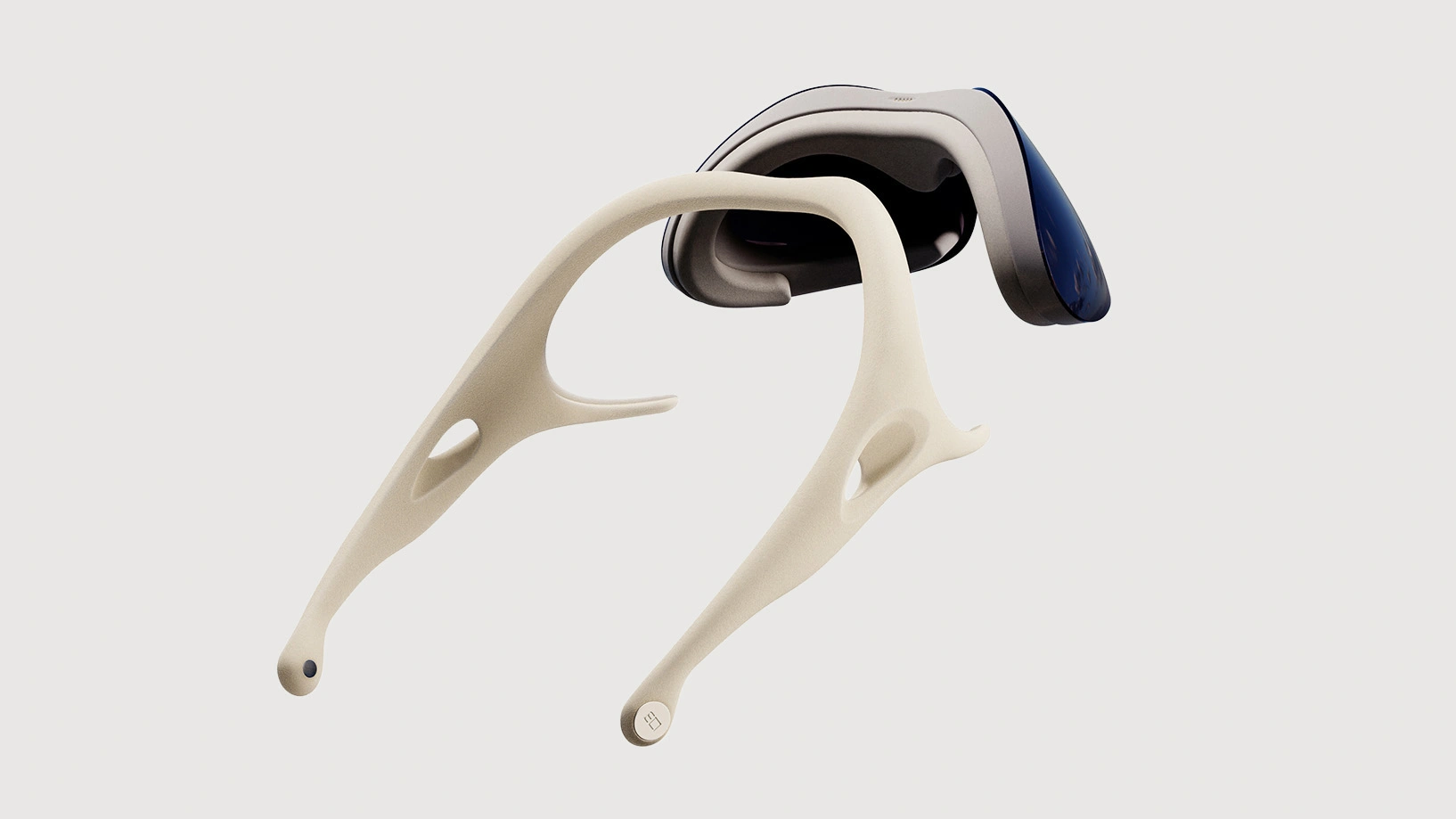
An industrial design agency crafting physical products from storytelling to manufacture.

.png)

Most hardware startups don’t struggle because they don't have a great idea. They struggle to develop it into something people are really will to pay for, that a manufacture can achieve and that works for the business. A brilliant prototype can become expensive, delayed or compromised once it enters production unless these things are considered from the beginning.
As a product design consultancy, we design for manufacture from day one, considering bill-of-materials, assembly and cost alongside usability and desire. That means fewer redesigns and a clearer, quicker route to market.
Whether you’re working towards a funding round, a crowdfunding launch or your first production run, we structure our work around the milestones that matter to you. Tell us where you are and what you’re trying to achieve, and we’ll help you work out what’s feasible, what needs validating and what the next steps are.
A: At Morrama, we work collaboratively ensuring you have clear visibility on our process and an understanding of what will and won’t work. This means you can see why a design is such and decision making becomes less subjective.
A: You own the IP of the chosen design direction once payment has been made.
A: We design with cost in mind from the beginning, not at the end. That means considering materials, part counts, assembly time,and manufacturing methods early on. If something is likely to be too expensive, we flag it quickly and suggest alternatives so you can make informed decisions before committing.
A: We can do both. Some clients bring us in for full end-to-end product development, while others ask us to solve a specific issue - like improving usability, reducing manufacturing cost, or refining an existing design for production.
We start with how the product should feel to use and live with, not just what it can do. That includes making it clear when a device is listening or recording, giving people meaningful control, and designing interactions that build trust over time. We also share our approach to designing with AI openly in our AI Commitments.